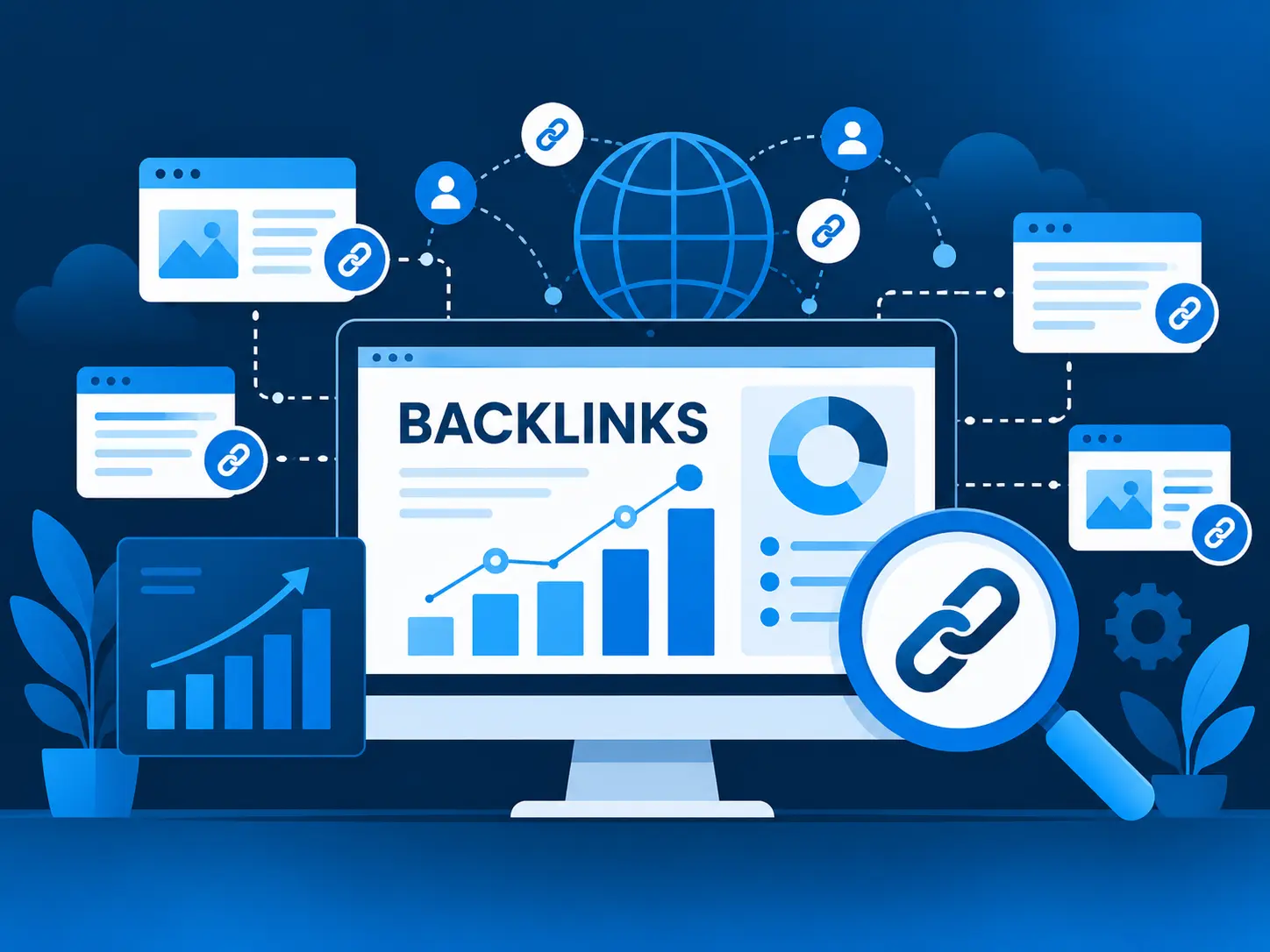

Internal linking SEO can affect how easily visitors and search engines discover important pages across your website. When internal links are missing, broken, vague, or poorly organized, valuable service pages and content can become harder to find.
Internal Linking SEO Starts With a Clear Website Structure
Internal links connect one page of your website to another. For example, a blog post about website speed may link to a hosting service, while an article about search visibility may lead readers to a Local SEO page.
However, simply adding more links does not automatically create a strong internal linking strategy. The destination, anchor text, page relevance, and overall website structure all matter.
Therefore, businesses should review internal links as part of their wider SEO strategy. Below are common internal linking problems that can limit search visibility and make important pages harder for visitors to reach.

1. Important Pages Have Too Few Internal Links
Some websites contain valuable service pages that receive very few links from other parts of the site.
For example, a business may publish a detailed service page but only link to it once from a dropdown menu. Relevant blog posts, related services, and other useful pages may never point visitors toward it.
As a result, the page can become less visible within the overall website structure.
Important pages may include:
- Primary service pages
- Location pages
- High-value blog posts
- Contact or proposal pages
- Detailed guides
- Important conversion pages
A structured SEO content strategy can help connect supporting articles with the services and pages they are designed to support.
2. Orphan Pages Are Difficult to Discover
An orphan page is a page that receives no meaningful internal links from other pages on the website.
Someone may still reach the page through a direct URL, sitemap, search result, or external link. However, visitors browsing the website may have no clear path to reach it.
Orphan pages can appear after:
- Website redesigns
- Navigation changes
- Content migrations
- Service page updates
- Old campaigns
- Removing category or archive pages
Therefore, an internal link audit should identify important pages that have become disconnected from the rest of the website.
3. Anchor Text Is Too Generic
Anchor text is the clickable wording used in a link. Clear anchor text gives visitors context about where the link will take them.
Generic wording such as “click here,” “learn more,” or “read this” provides less information than descriptive text connected to the destination page.
MDN's link creation guidance recommends clear link wording and explains that descriptive link text helps both users and search engines understand the destination.
For example, linking the words website hosting and management is more descriptive than linking a generic phrase such as click here.
As a result, strong internal linking SEO should use concise, descriptive anchor text that fits naturally into the surrounding sentence.
4. Too Many Links Point to the Homepage
The homepage is important, but it should not receive every internal link.
For example, an article discussing backlink strategy may provide more value by linking directly to a relevant backlink service page rather than sending the visitor back to the homepage.
Similarly, articles about website maintenance, Local SEO, or email marketing should connect to the most relevant destination whenever possible.
Zen Web Services provides backlink building services that work alongside content, on-page optimization, and strong internal linking as part of a broader SEO strategy.
5. Internal Links Point to Outdated Pages
Websites change over time. Services may be renamed, pages may move, and old URLs may be replaced.
Unfortunately, internal links do not always get updated when these changes happen.
Common problems include links pointing to:
- Old service pages
- Redirected URLs
- Archived content
- Deleted pages
- Outdated offers
- Old contact or landing pages
Consequently, businesses should review internal links after website redesigns, content migrations, and major navigation changes.
Ongoing website hosting and management can also help businesses maintain links, software, content, and other important website components over time.
6. Broken Internal Links Create Dead Ends
A broken internal link sends the visitor to a page that no longer works as expected.
For example, someone reading an article may click a service link and reach a 404 page because the destination was deleted or renamed.
Broken links can interrupt the customer journey and make useful website content harder to navigate.
Therefore, businesses should regularly review important internal links and correct broken destinations rather than relying only on redirects.
7. Related Content Is Not Connected
Blog posts often cover topics that naturally relate to one another, but those relationships may not be reflected through internal links.
For example, an article about website performance can naturally connect to content about hosting, responsive design, maintenance, or website SEO problems.
Likewise, a backlink article may connect to content strategy, service pages, or Local SEO topics.
Connecting relevant pages can help visitors continue learning about a topic without returning to the main navigation after every page.
Furthermore, professional SEO blog writing can include contextual internal links that connect new articles with existing service and content pages.
8. Internal Links Are Added Without Context
A link should make sense in the sentence or section where it appears.
Adding unrelated links simply because a page needs more internal links can create a confusing experience for readers.
The Office for National Statistics recommends clear and descriptive link text and advises writers to consider what value the destination page provides before adding a hyperlink.
Therefore, internal links should support the surrounding content and provide a useful next step instead of appearing randomly.
9. Navigation Does Not Reflect Important Services
Internal linking is not limited to links inside paragraphs. Navigation menus, service menus, breadcrumbs, category pages, and footer links can also help organize the website.
Problems occur when important services are missing from the website structure or remain buried several levels deep.
Professional website design and development can help organize navigation, content hierarchy, responsive layouts, and important customer paths more clearly.
As a result, visitors can move between related areas without needing to search manually for every service.
10. New Content Is Published Without Updating Older Pages
Internal linking should not happen only when a new article is published.
Older content may also contain opportunities to link toward new services, updated pages, and recently published articles.
For example, after launching a new service, businesses can review existing articles to identify relevant places where the new page would help readers.
Consequently, internal linking becomes an ongoing content task rather than a one-time optimization.
11. Too Many Internal Links Compete for Attention
More internal links are not always better.
A page filled with links in nearly every sentence can become distracting and make it difficult for visitors to identify the most useful next step.
Instead, businesses should prioritize links that provide clear value and connect naturally with the page topic.
A Useful Internal Link Should:
- Lead to a relevant page
- Help the visitor continue their research
- Use descriptive anchor text
- Fit naturally into the surrounding content
- Point to a current and working URL
- Support an important customer or SEO pathway
12. Internal Linking Is Not Reviewed With Search Performance
Internal linking decisions can also benefit from actual search performance data.
For example, a business may discover an article receiving search impressions and clicks but providing no useful pathway to the service most closely related to the topic.
Bing Webmaster Tools' Search Performance report provides page-level information about clicks, impressions, and search queries.
Businesses can use this type of information to identify pages that attract search visitors and then review whether those pages provide relevant internal paths to services or related content.
Internal Linking SEO Should Support Important Pages
Internal linking SEO works best when links help both the visitor and the overall website structure.
Important service pages should receive relevant links from useful content, while blog posts should connect naturally with related topics and business services.
At the same time, businesses should avoid adding links only to increase link counts. Relevance, context, anchor text, and destination quality matter more than simply adding another hyperlink.
When an Internal Link Audit Makes Sense
Some internal linking problems become difficult to manage as a website grows.
An Internal Link Audit May Be Useful When:
- Important pages receive few internal links
- The website contains orphan pages
- Old URLs have been replaced or redirected
- Several broken internal links exist
- Blog content is disconnected from service pages
- Navigation no longer reflects current services
- You are unsure which pages should receive more support
In these situations, a broader website SEO audit can help identify internal linking, content, indexing, technical, and site structure problems together.
Professional SEO services can then prioritize the changes that support important pages instead of adding links randomly across the website.
Build a Stronger Internal Linking Strategy Over Time
Internal linking should evolve as your website grows. New services, articles, landing pages, and customer resources can create new opportunities to connect useful information.
Therefore, businesses should review internal links during content updates, website redesigns, SEO audits, and major service changes.
A strong internal linking strategy can make important content easier to discover, create clearer customer journeys, and support the wider SEO structure of the website.
Need Help Improving Your Website's SEO Structure?
If important pages are difficult to find, poorly connected, or receiving little search visibility, internal linking may be one part of a larger website SEO problem.
Zen Web Services can review your website structure, content, internal links, Local SEO, technical SEO, and other opportunities that may support stronger search visibility.
Request a Free Website Assessment